Historic Villages of Portugal: the 12 villages and how to visit
Walls that still enclose whole villages, castles wedged into granite, streets too narrow for a car and a border fought over inch by inch for centuries. There are twelve Historic Villages of Portugal, all in the centre of the country, and most of them are less than an hour from Guarda. This is the guide we give to anyone who asks us where to start.
Key takeaways
- There are 12 villages, all in inland Central Portugal: Almeida, Belmonte, Castelo Mendo, Castelo Novo, Castelo Rodrigo, Idanha-a-Velha, Linhares da Beira, Marialva, Monsanto, Piódão, Sortelha and Trancoso
- Eight of them are less than an hour from Guarda
- A well-planned day covers three; a half day, two
- February and March bring almond blossom; spring and autumn are best for walking
What are the Historic Villages?
They are a network of medieval villages and small towns in inland Central Portugal that the state began restoring in 1991 through the Historic Villages Recovery Programme. There were ten at first; Belmonte and Trancoso joined in 2003, making the twelve of today.
Almost all of them began as border strongholds: castles and walls guarding the line with León and Castile. That is why so many sit on the plateau between the Côa river and Spain, known as Riba-Côa, which only became Portuguese for good under King Dinis.
The villages near Guarda
These are the ones we visit most often: all are less than an hour from the city and combine well with each other.
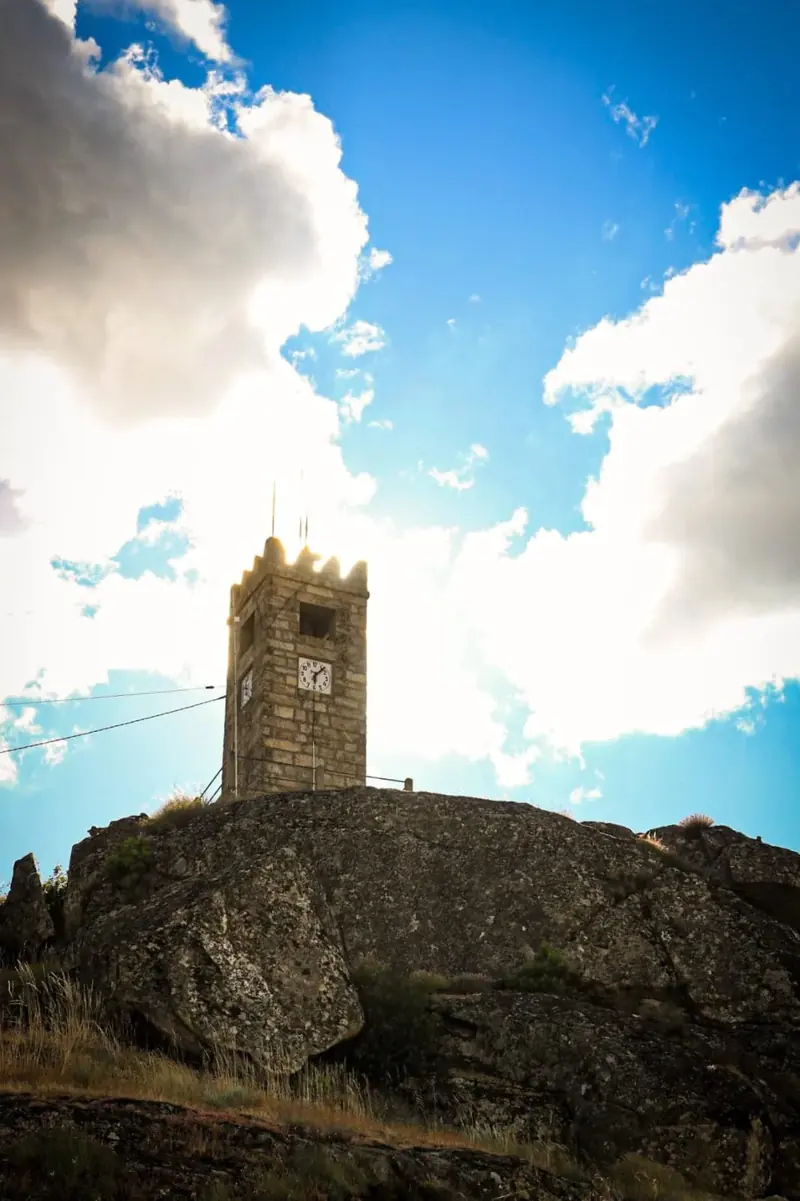
Sortelha (Sabugal) is perhaps the most complete: the whole village is still inside its walls, with the castle wedged into the boulders and the granite houses almost as they were. Walk the rampart path in the late afternoon.
Castelo Mendo (Almeida) greets you with a wall gate guarded by two stone boars. Inside there are narrow streets, the pillory and wide views over the plateau.
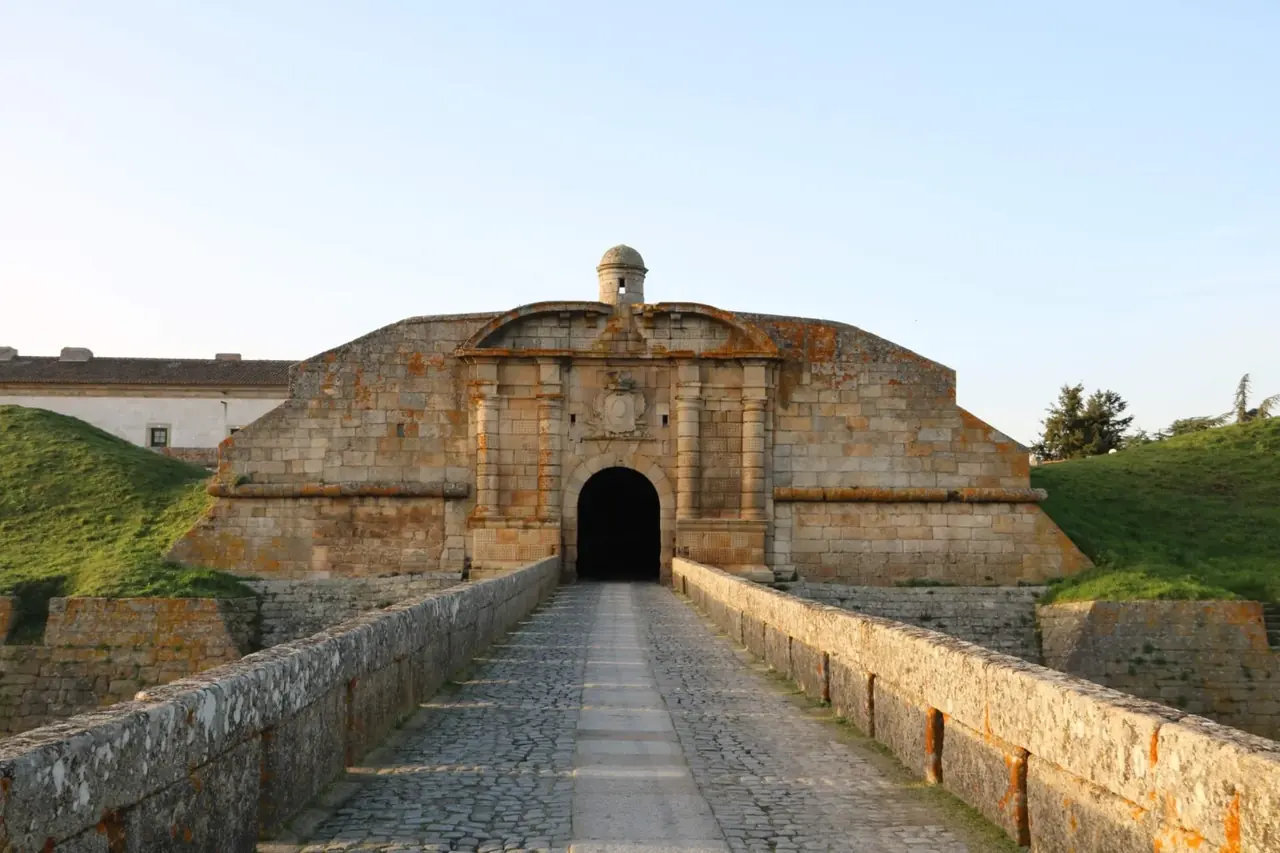
Almeida is unlike the others: instead of a medieval castle it has a star-shaped fortress with bastions, moats and monumental gates. It was a stage of the French Invasions, and walking along the top of the walls is well worth it.
Castelo Rodrigo (Figueira de Castelo Rodrigo) sits on a hilltop with the ruins of Cristóvão de Moura's palace and views reaching Spain. In February and March it is surrounded by almond trees in blossom.
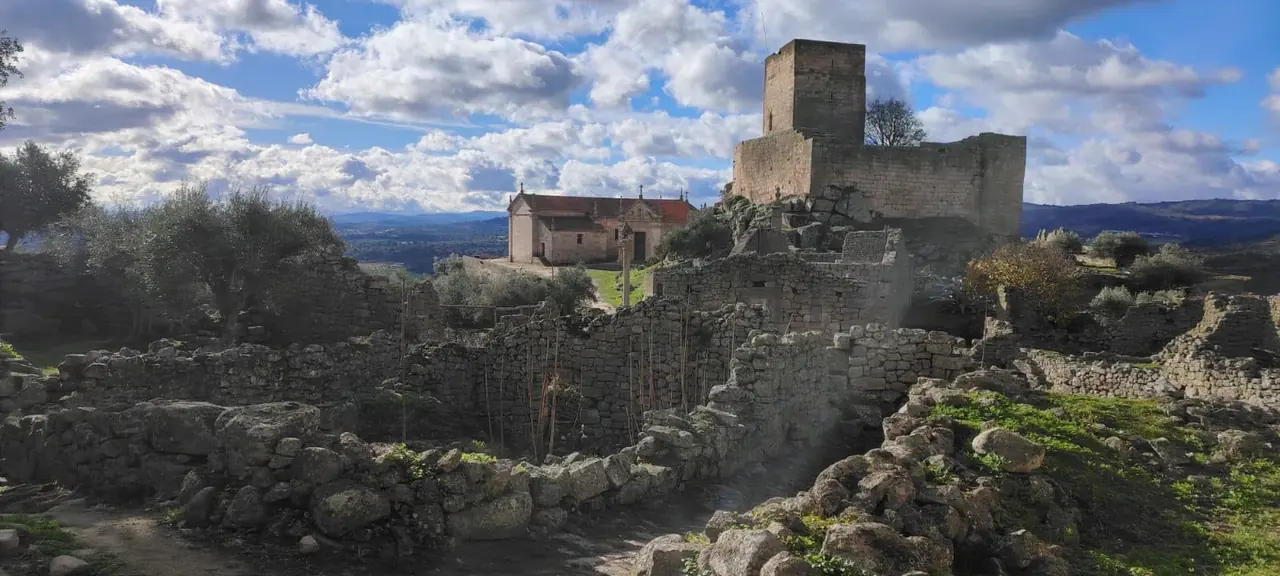
Marialva (Mêda) is a medieval citadel on a hilltop, with its keep and the ruins of the old town. At the end of the day, the light on the granite is among the most beautiful in the region.
Trancoso is almost a town inside walls. This is where King Dinis married Isabel of Aragon, the future Holy Queen, and the castle and old Jewish quarter deserve a morning.
Linhares da Beira (Celorico da Beira) is already on the slopes of Serra da Estrela, with its castle above the Mondego valley. It is also one of the best-known paragliding spots in the country.
Belmonte is the birthplace of Pedro Álvares Cabral, with a castle and a Jewish community centuries old, whose story is told at the Jewish Museum.
The villages further south and in the Serra do Açor
These are further from Guarda, so they make more sense on a two- or three-day trip.
Monsanto (Idanha-a-Nova) is famous for its houses squeezed between giant boulders. In 1938 it won the title of "most Portuguese village in Portugal".
Idanha-a-Velha, next door, was the Roman city of Egitânia. Its Roman walls and old cathedral make it a small open-air museum.
Castelo Novo (Fundão) climbs the slope of the Gardunha mountain, with the castle at the top and a baroque fountain in the square.
Piódão (Arganil) is the only schist village: an amphitheatre of dark houses with blue doors and windows, hidden in the Serra do Açor.
What about Castelo Bom?
It is not on the official list, but it is one of our favourites to show. It sits in the Almeida municipality on a hilltop above the Côa river. King Dinis took it in 1282, and its keep, town gate and remains of its two rings of walls are still there. Hardly anyone goes, which is what makes it special. It is part of our Between Castles and Wines tour.
Routes: a half day, a full day or a weekend
Half day from Guarda: Castelo Mendo and Almeida, less than an hour away, with time to wander both at an easy pace.
One day: Sortelha in the morning, lunch in the region, then Castelo Mendo and Almeida in the afternoon. Heading north, the alternative is Marialva, Castelo Rodrigo and Almeida.
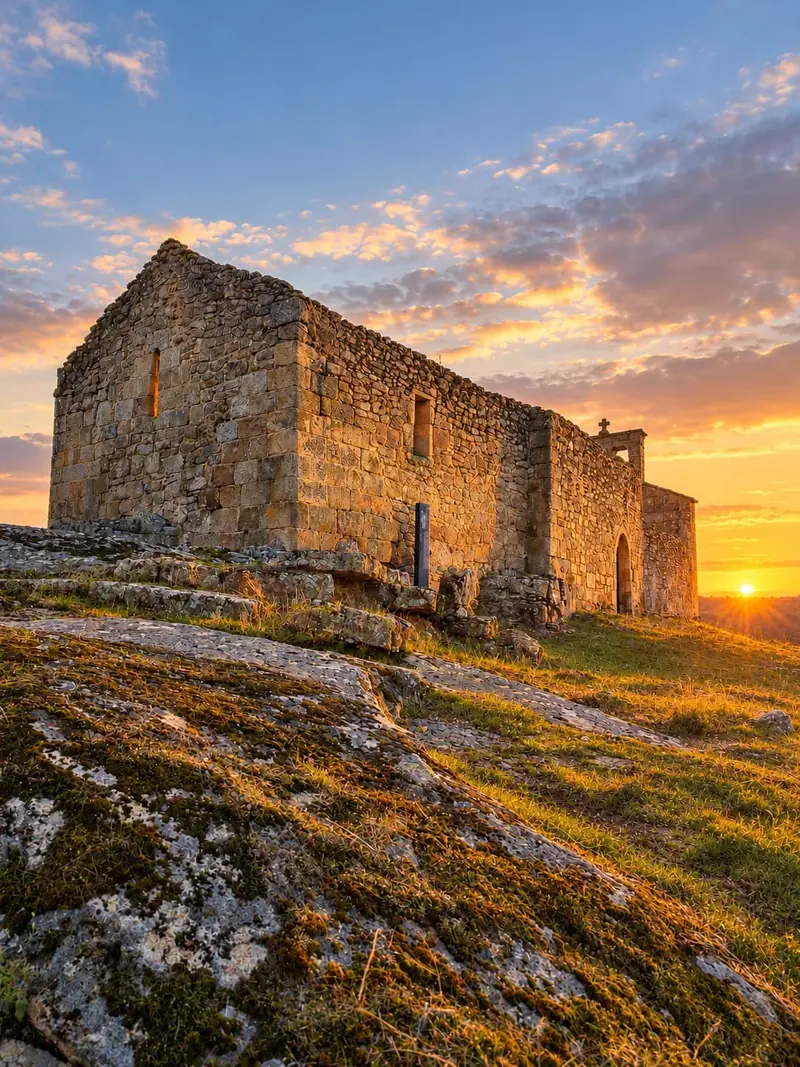
Weekend: one day in the Riba-Côa villages and another further south, with Monsanto and Idanha-a-Velha, or in Serra da Estrela with Linhares da Beira on the way.
If you would rather not drive or plan, our Between Castles and Wines tour does it for you: a full day with three villages, lunch and wine tasting (from €130 per person), or a half day with two villages and a tasting (from €90), with pick-up at your accommodation.
When to go and practical tips
February and March are almond blossom season around Castelo Rodrigo and Almeida. Spring and autumn have the best light and temperatures for walking. In summer, visit the villages early in the morning or late in the afternoon: granite gets very hot at midday.
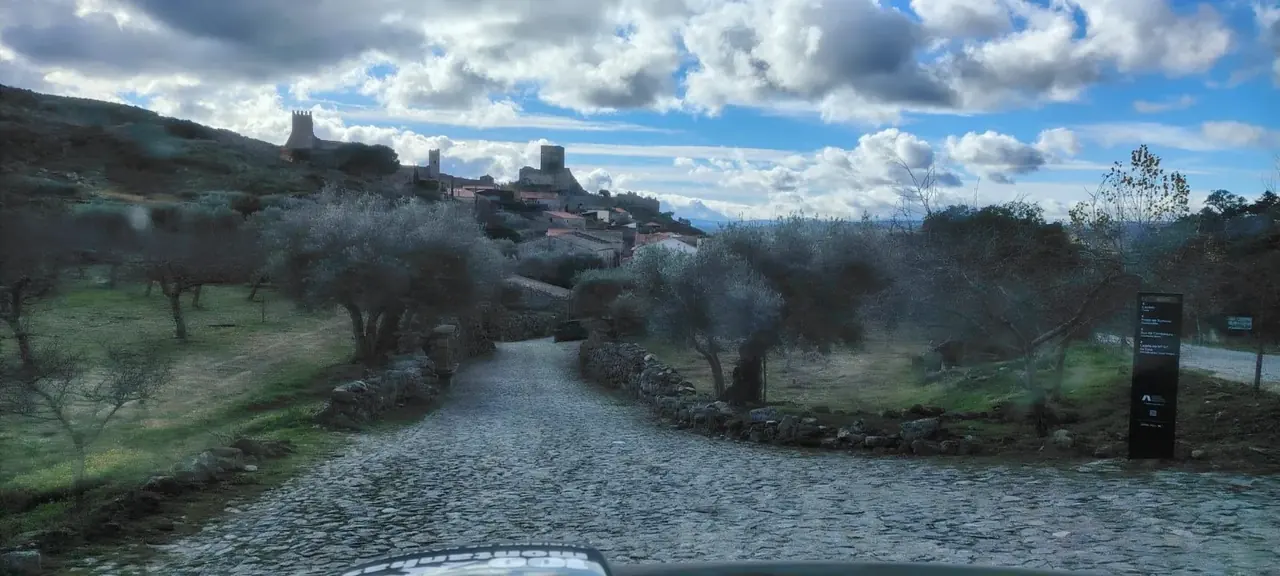
Wear shoes with good grip, as the cobbles are uneven and slippery in the rain. In most villages you park outside the walls and walk in. Monuments and tourist offices keep short hours, especially on Mondays, so check before you go.