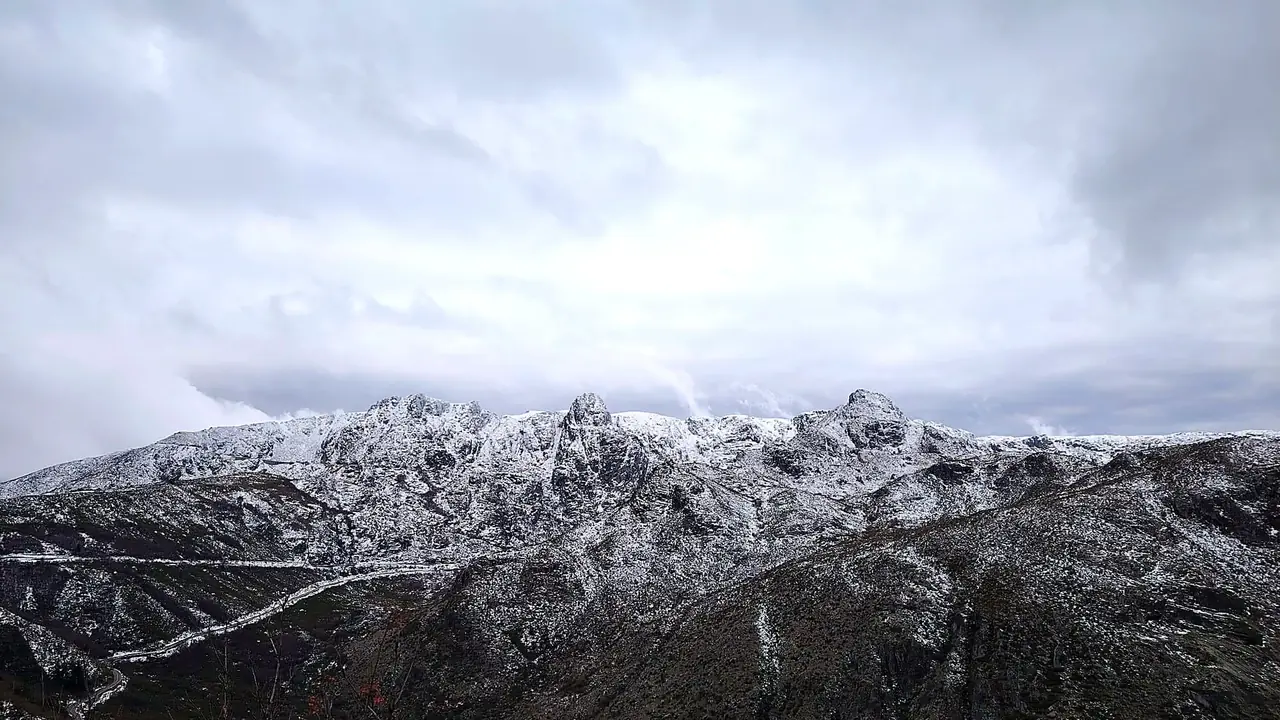
Snow in Serra da Estrela: go by car or by 4x4?
Every winter we watch the same film: a snowy weekend, thousands of cars heading up to the Torre, the road closing mid-afternoon and families on the hard shoulder fitting snow chains for the first time with frozen fingers. You can drive to the snow, and many people do. But it helps to know what you are getting into. This is the guide we give anyone who asks whether to take their own car or join a 4x4 tour.
Key takeaways
- With heavy snow, the roads to the Torre close, often at short notice
- When signs make chains mandatory, you have to fit them right there on the road
- Many rental cars have neither chains nor winter tyres: check your contract before driving up
- On a guided 4x4 tour you don't drive, don't hunt for parking and reach places the road doesn't
The road to the Torre in the snow
The roads up to the plateau, from Covilhã, Seia and Manteigas, are the first to suffer when it snows. When it falls heavily, the authorities restrict or close access, and that can happen in the morning or mid-afternoon, with cars already at the top waiting to come down. A road open on the way up is no guarantee it stays open on the way down.
On weekends with fresh snow, the problem is often not the snow but the traffic. The car park at the Torre fills early, queues build on the road and some people spend more time in the car than in the snow.
Driving your own car: what you need to know
Snow chains: bring them and practise fitting them at home, in the dry. On the road, in the cold and snow, it takes three times as long. When signs make chains mandatory, you either fit them or you don't get through.
Rental cars: many come without chains or winter tyres, and some contracts don't cover damage on snowy or icy roads. Check before you leave the desk.
Driving: low gears, gentle braking and plenty of distance to the car in front. Morning ice and ice on the way down at the end of the day are the most dangerous, especially in shaded stretches.
Before you go: a full tank, warm clothes inside the car (if the road closes, you may be stuck for a while) and the road conditions checked that same day. Look at the IPMA weather warnings and traffic information before driving up.
We explain where the snow lies deepest, which roads close and what to bring in our Snow in Serra da Estrela guide.
Joining a guided 4x4 tour
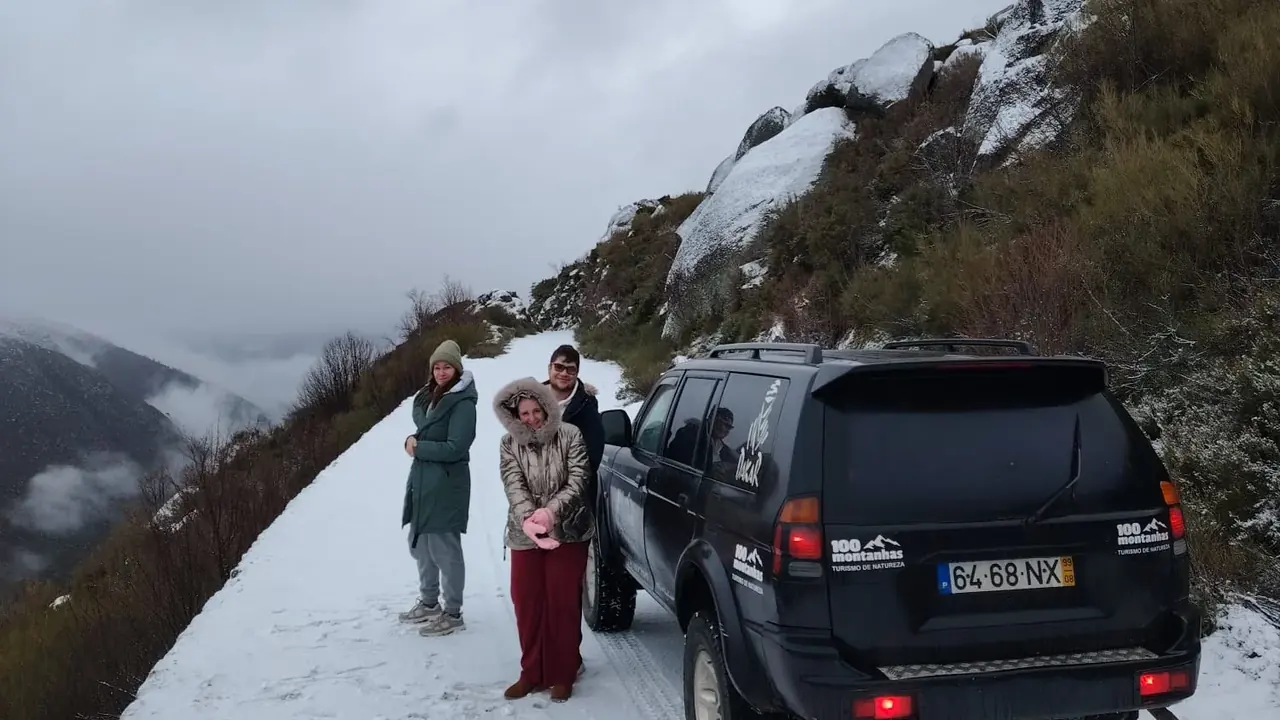
On a 4x4 tour in Serra da Estrela you don't drive, don't fit chains and don't look for parking. The jeep is prepared for snow and the guide knows the state of every track that day: if one route isn't good, there is another. That opens up places the main road doesn't reach, such as empty viewpoints and white tracks nobody else drives.
A 4x4 is not magic: with very heavy snow or ice, we also change the route or the date, because safety comes first. The difference is that the decision is ours, with alternatives ready, and not in the middle of a closed road.
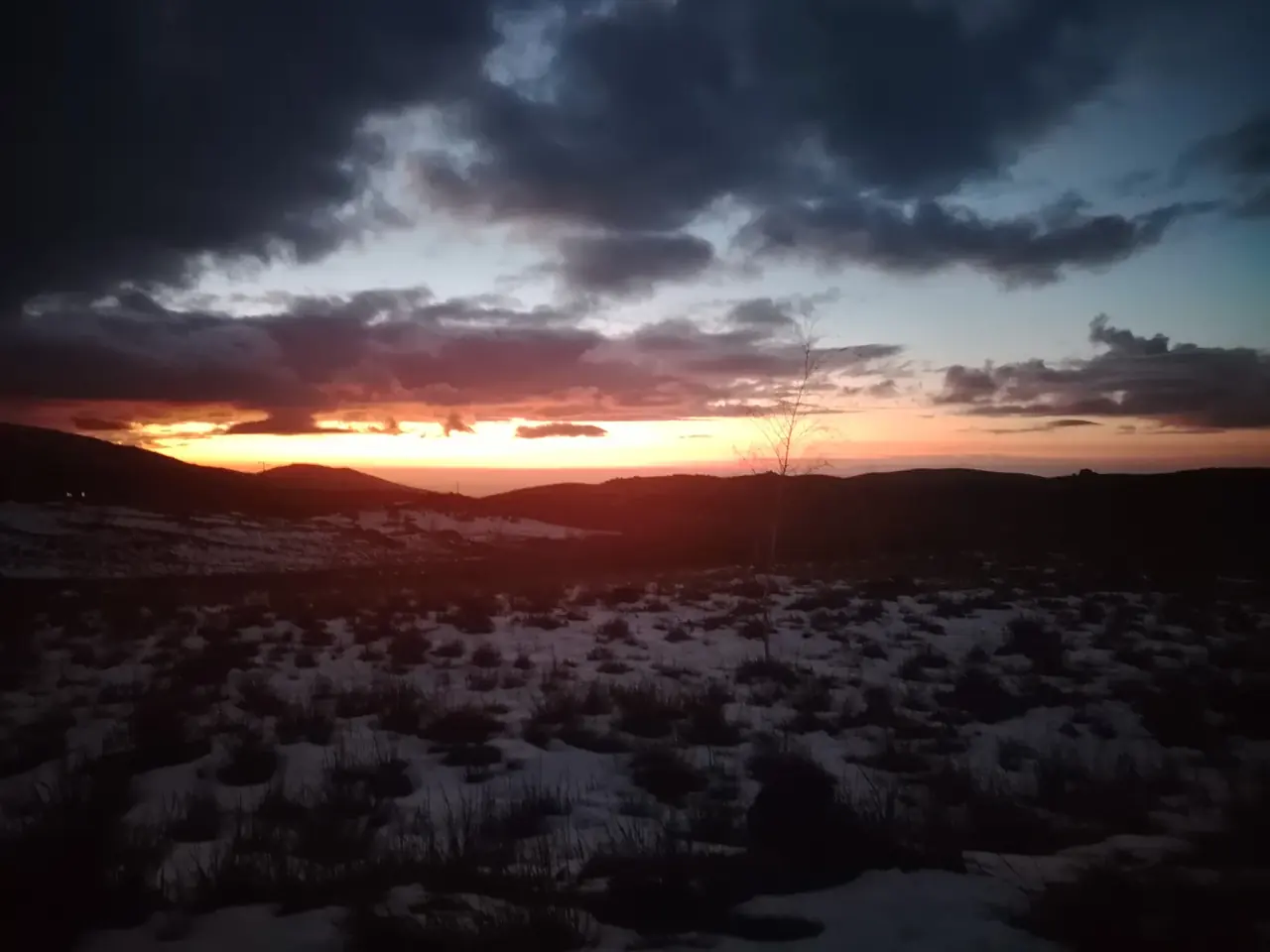
For the snow, the most booked are the Sunset 4x4 Tour (shared from €79 per person) and the Sunrise 4x4 Tour, which on cold mornings often catches the sea of clouds.
Car or 4x4: how to decide
Drive yourself if you have driven in snow before, have chains and good tyres, can come on a weekday and don't mind turning back if the road closes.
Go by 4x4 if you are coming from far away with only one day, if the car is a rental, if you have children with you or if you don't want to spend the morning in the queue to the Torre. And if you want to see the mountain beyond the plateau: tracks, viewpoints and sunsets the road doesn't reach.
Many people do both: drive up on a quiet day and book the 4x4 for the proper snow day.
Prefer to walk? Go trekking away from the snow
In winter, walking on the high ground of Serra da Estrela is a different game: snow, ice and wind call for technical gear, such as crampons, and mountain experience. If you want to walk without that, winter and early spring are the best time for other mountains in northern and central Portugal.
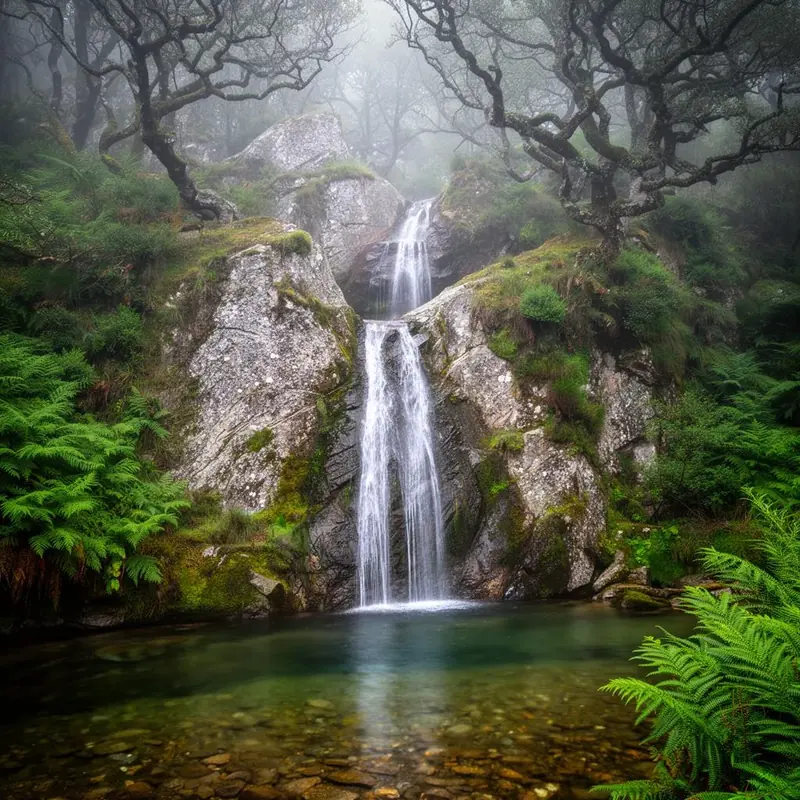
Gerês and Alvão have their waterfalls and rivers at their fullest, with trails through woods and granite and schist villages. Caramulo is a lower, more accessible range, good for beginners. In the Douro, winter brings mild temperatures for walking among vineyards and terraces, away from the summer heat.
Our trekking expeditions last 2 or 3 days, with a guide, accommodation and meals included, in small groups. The next editions are being scheduled: ask to be notified and you will get the dates before they open to the public. If you have never done a multi-day trek, first read our guide First time trekking: where to start.
What to bring for the snow
Layered clothing, a waterproof jacket, hat, gloves, warm socks and boots that can handle water. Sunglasses and sunscreen, because snow reflects a lot. Water, something to eat and a charged phone: the cold drains batteries fast.